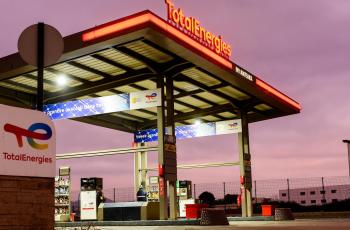


Every day, our employees around the world live out our ambition to be a world-class player in the energy transition while relying on cutting-edge expertise that spans the entire chain.of energies: oil and biofuels, natural gas and green gases, renewables and electricity. Our 100,000 employees are committed to energy that is ever more affordable, cleaner, more reliable and accessible to as many people as possible. Active in more than 130 countries, we put sustainable development in all its dimensions at the heart of our projects and operations to contribute to the well-being of people.
Our expertise
Our Expertise
Our Expertise
Explore and produce
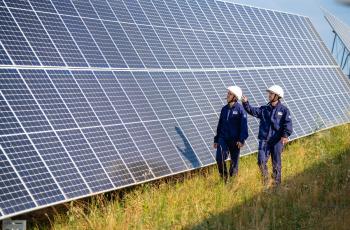
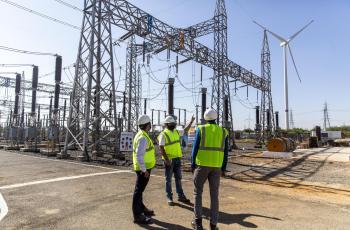
To meet the energy needs of a burgeoning global population while preparing for the future, we continually innovate to produce sustainable and responsible solutions in oil and gas, solar energy, and bioenergies.
Transform and develop
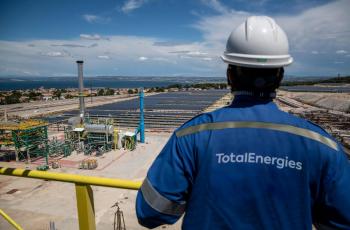
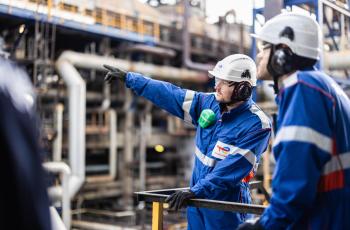
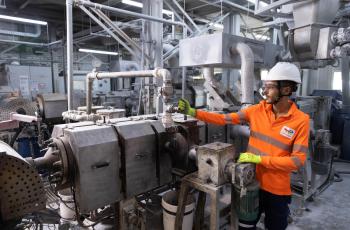
You already know us through our network of service stations. But we do so much more to improve your daily life. From oil and gas transformation to produce fuel, lubricants or plastics, to the production and supply of power and natural gas, we rely on multiple industrial skills to support our customers in their daily lives.
Ship and market
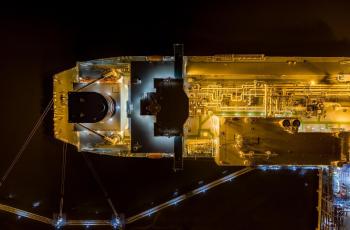
We all require energy for heat, transportation, light in our homes and so much more. TotalEnergies serves your needs worldwide each and every day. We bring energy from producing regions all the way to consumer hubs, working across a long, complex logistics chain.